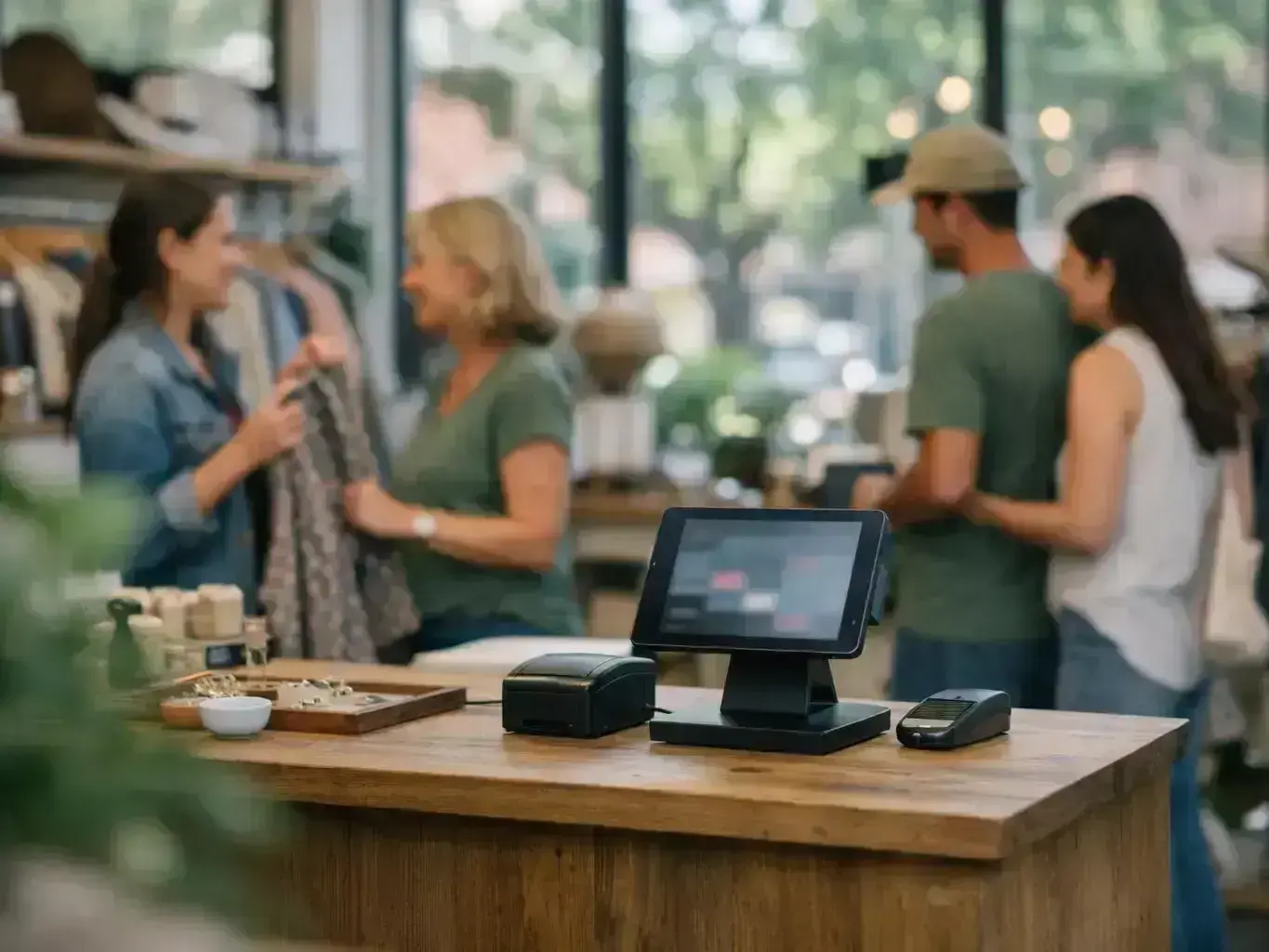
Understanding Credit Card Reader

A Credit Card Reader is a hardware device. It reads payment card information during transactions. The reader acts as the interface between a customer’s card and the merchant’s payment system.
When a card is swiped, dipped. Or tapped, the reader extracts data. This includes the account number, expiration date. And security code. It converts this data into a digital format.
Then, the data is encrypted and sent to the payment processor. The processor routes it through the card network for authorization.
How Credit Card Readers Work?
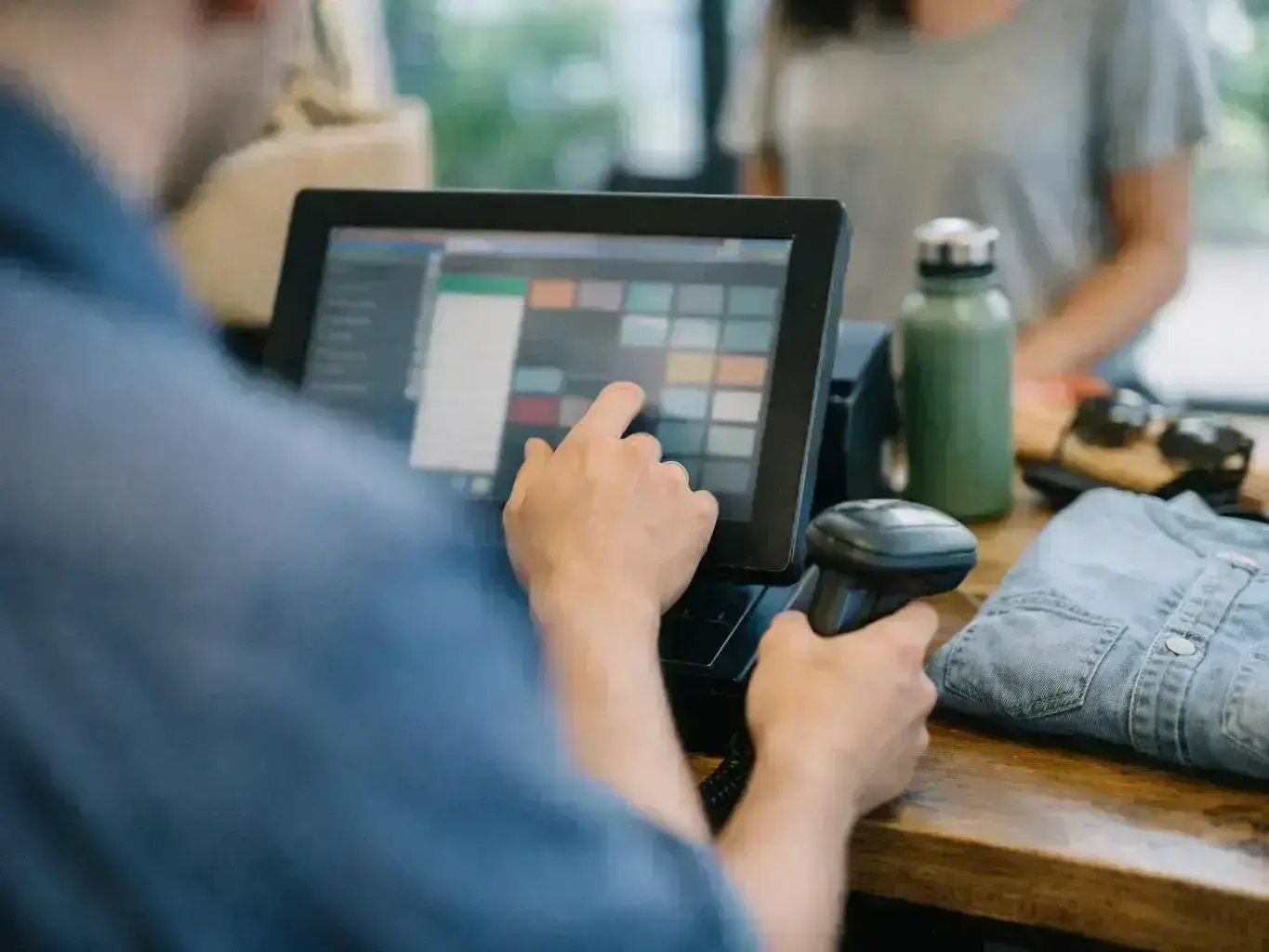
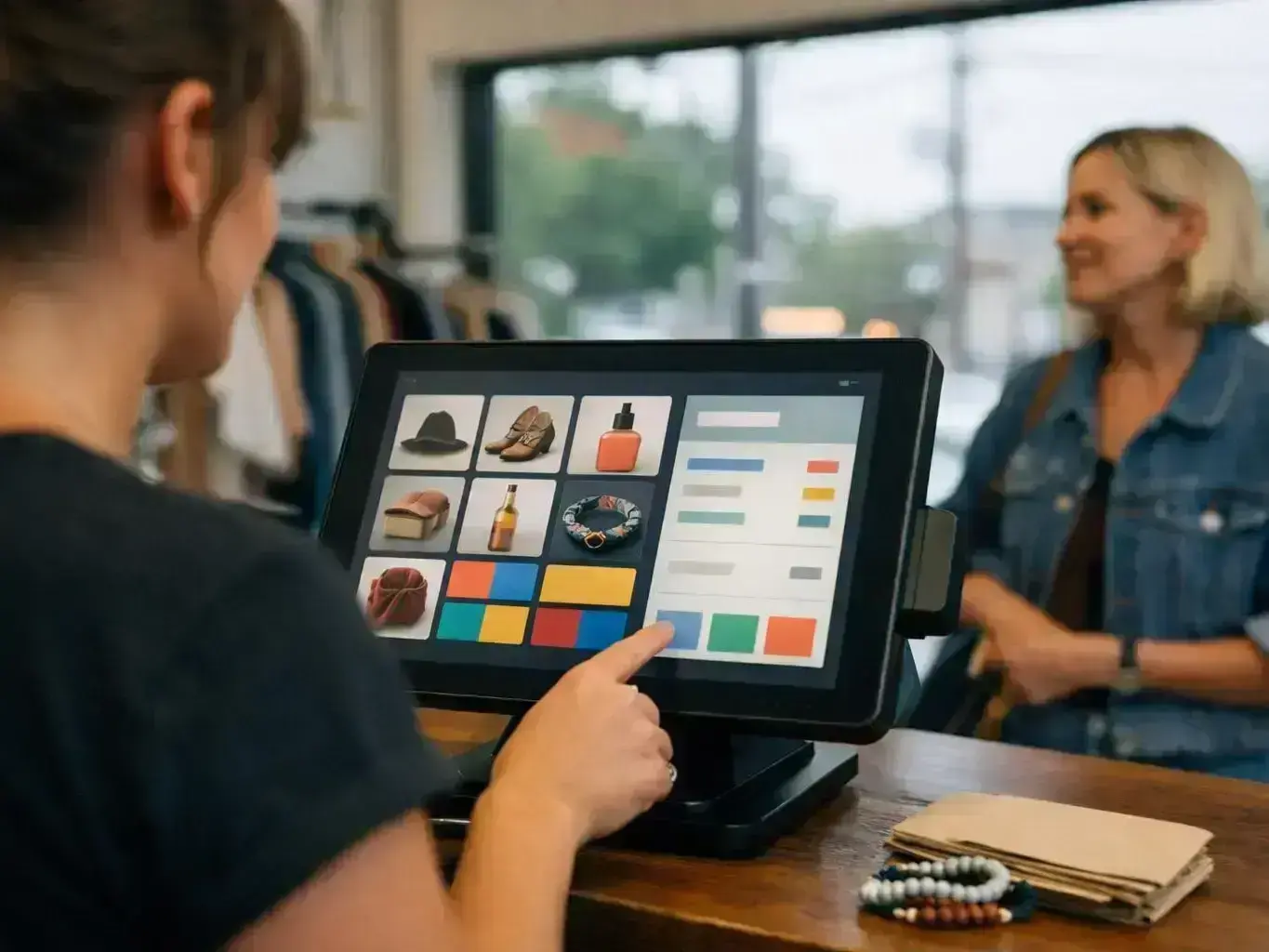
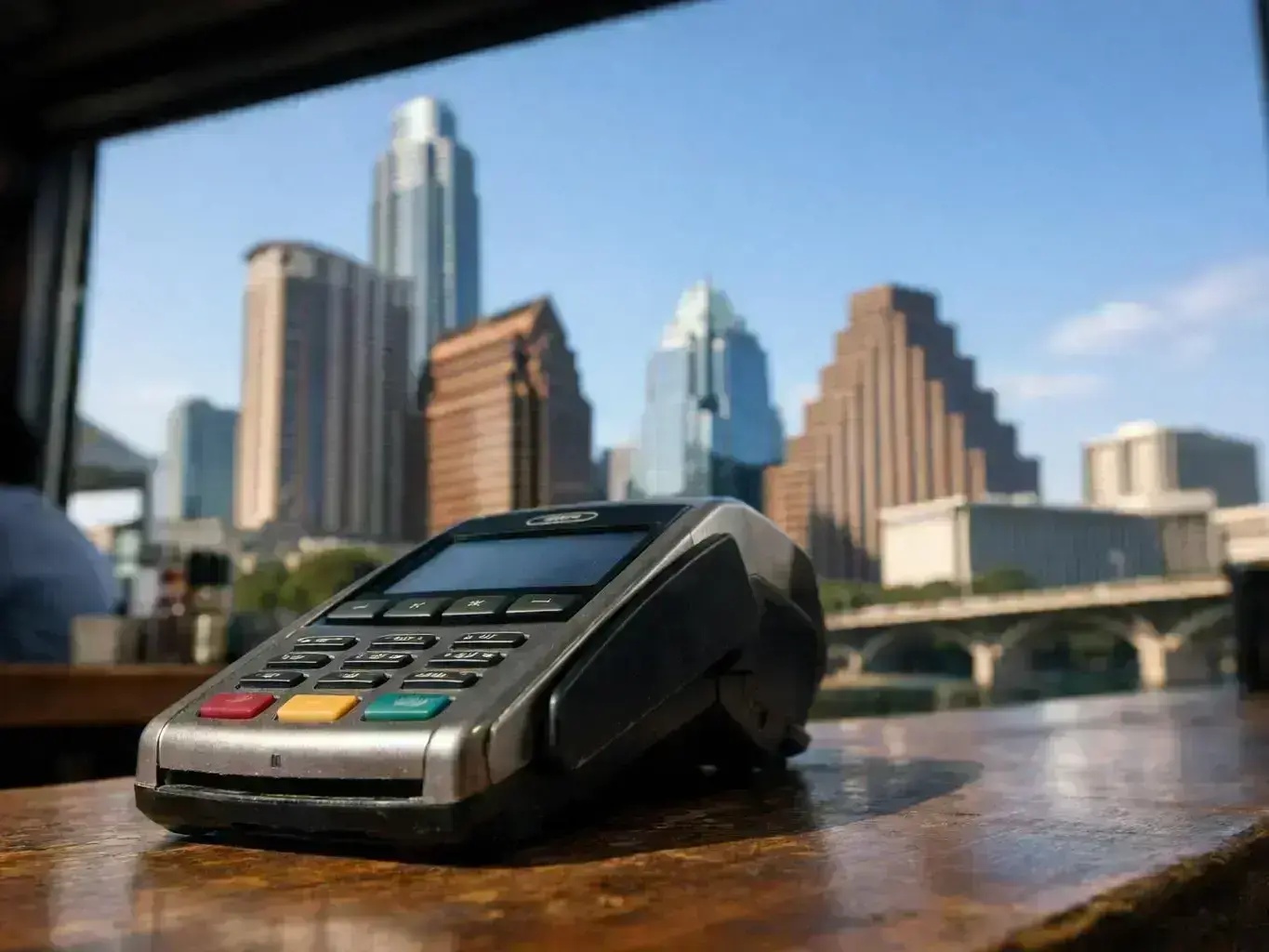
Credit Card Readers come in different forms. These include countertop terminals, mobile card readers. And integrated POS systems.
Countertop terminals work well in fixed locations. Retail stores or restaurants often use them. Mobile readers connect to smartphones or tablets.
They’re ideal for businesses on the go. Food trucks or pop-up shops benefit from them. Integrated POS systems combine a reader with software.
This software handles inventory, sales tracking. And customer management. It offers a full solution for larger businesses.
The operation of a Credit Card Reader depends on card technology. Traditional magnetic stripe cards store data on a thin strip on the back.
When swiped, the reader’s magnetic head reads the data. It sends this data to the payment processor. But magnetic stripe transactions are less secure.
Data can be easily copied or skimmed. This leads to fraud. So many businesses now use EMV chip cards instead.
EMV chip cards store data on a microprocessor chip. The card must be inserted into the reader. It stays there for several seconds.
The chip generates a unique transaction code. This code is called a cryptogram. It’s valid only for that specific transaction.
This makes it nearly impossible for fraudsters to reuse stolen data. Contactless payments use radio frequency identification (RFID).
These include NFC-enabled cards or mobile wallets like Apple Pay. The reader communicates with the card or device wirelessly.
It completes the transaction in seconds without physical contact.
Credit Card Readers must comply with PCI DSS requirements. This means encrypting cardholder data during transmission.
They must ensure sensitive information is never stored on the device. Many modern readers also support tokenization.
Tokenization replaces card data with a unique identifier. This token can be used for future transactions safely.
It keeps actual card details hidden.
Why Credit Card Readers Matter?
Credit Card Readers play a key role in payments. They enable secure, efficient. And convenient transactions. For merchants, accepting card payments is essential.
Cash transactions continue to decline. Readers help businesses serve customers who prefer cards. They work for in-store, online. Or mobile payments.
EMV-compliant readers reduce fraud risk. Fraud can lead to costly chargebacks. It can also damage a merchant’s reputation.
For consumers, readers provide a smooth experience. EMV and contactless technologies offer better security. They lower the chance of card fraud.
Contactless payments are fast and convenient. Customers can complete transactions with a simple tap. These methods have grown in popularity.
As payment tech evolves, readers will adapt. They’ll support new methods like biometric authentication. Digital wallets will also be included.
When Credit Card Readers Matter Most?
Credit Card Readers matter most when speed, security. And flexibility count. Retail stores rely on them for high transaction volumes.
They’re especially useful during peak shopping times. Mobile businesses need portable readers. Food trucks, delivery services. And markets depend on them.
Restaurants benefit from integrated readers. These can be tableside or handheld POS systems. Servers process payments right at the table.
Security is critical for businesses handling customer data. Merchants must use EMV-compliant readers. This avoids liability for fraud.
Non-compliant readers can lead to financial losses. Chargebacks and penalties may apply. Businesses in high-risk industries need extra security.
They may require advanced readers with encryption and tokenization. This protects against data breaches.
Finally, readers impact payment processing choices. The type of reader affects fees, speed. And customer experience.
Contactless readers may encourage higher spending. They reduce friction at checkout. Integrated POS systems combine payments with inventory tracking.
Choosing the right reader means balancing cost and function. Compliance with industry standards is also key.