Understanding CVV
CVV. Or Card Verification Value, is a security feature designed to protect credit and debit card transactions from fraud. Unlike the card number or expiration date, which can be stored or transmitted during transactions, the CVV is a dynamic code that's not embedded in the magnetic stripe or EMV chip. This makes it harder for fraudsters to use stolen card details for online or phone purchases, where the physical card is not present. The code is typically printed on the back of Visa, Mastercard. And find cards (three digits) or the front of American Express cards (four digits).
Related glossary terms: Card Not Present Transaction, PCI Compliance, Payment Processor.
CVV serves as an additional layer of authentication, ensuring that the person initiating the transaction has access to the physical card. While it doesn't guarantee absolute security, it significantly reduces the risk of unauthorized transactions, particularly in e-commerce or mail-order/telephone-order (MOTO) scenarios. For merchants, requiring CVV during checkout can lower the likelihood of chargebacks due to fraud, as it provides evidence that the customer had the card in hand at the time of purchase.
How CVV Works?
When a customer enters their CVV during an online or phone transaction, the merchant’s payment processor sends the code to the card issuer for verification. The issuer checks the CVV against the code stored in its secure database and either approves or declines the transaction based on the match. This process happens in real time, adding only a few seconds to the checkout experience. Importantly, the CVV is not stored in the merchant’s systems after the transaction is completed, as PCI DSS (Payment Card Industry Data Security Standard) prohibits merchants from retaining this data.
The CVV’s effectiveness lies in its separation from other card data. Since the code is not encoded in the magnetic stripe or chip, it can't be skimmed or copied during in-person transactions. This makes it particularly valuable for card-not-present transactions, where fraud rates are higher. But CVV is not foolproof—if a fraudster gains access to the physical card or a photograph of it, they can still use the CVV. For this reason, CVV is often used alongside other fraud prevention tools, such as address verification (AVS) or two-factor authentication.
Why CVV Matters?
For merchants, requiring CVV during transactions can reduce fraud-related losses and chargebacks. Chargebacks occur when a customer disputes a transaction, often due to fraud. And the merchant is forced to refund the payment. By verifying the CVV, merchants can demonstrate that they took reasonable steps to confirm the cardholder’s identity, which can help in disputing fraudulent chargebacks. And some payment processors offer lower interchange fees for transactions that include CVV verification, as these transactions are considered lower risk.
For consumers, CVV provides an added layer of security, particularly for online shopping. While it does not prevent all forms of fraud, it makes it harder for criminals to use stolen card numbers without access to the physical card. Consumers should treat their CVV with the same care as their card number, avoiding sharing it unnecessarily or storing it in unsecured locations, such as emails or digital notes.
When CVV Matters Most?
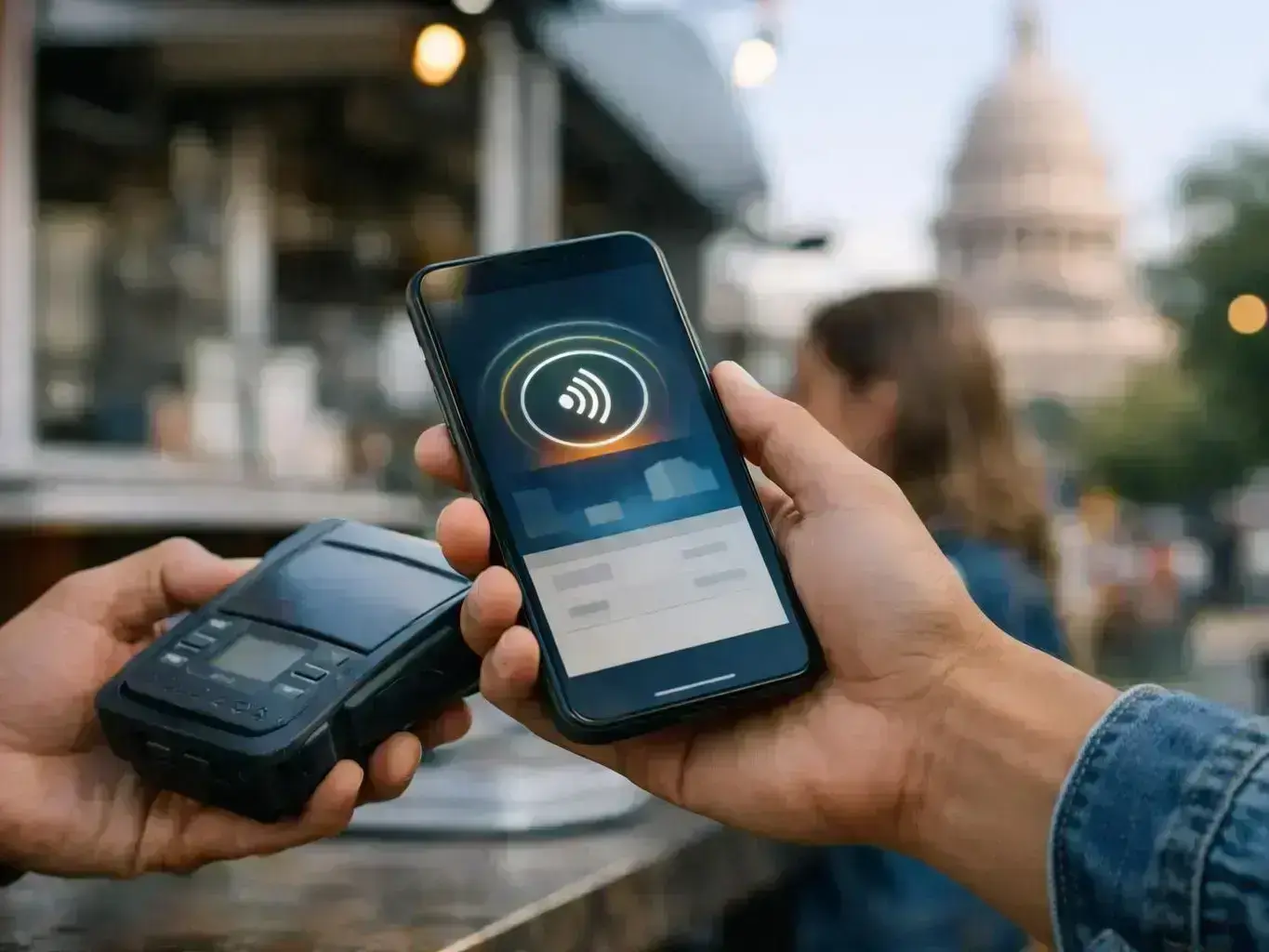
CVV is most critical in card-not-present transactions, where the merchant cannot physically inspect the card. This includes online purchases, phone orders. And mail-order transactions. In these scenarios, merchants are at higher risk of fraud, as criminals can use stolen card details without needing the physical card. Requiring CVV during checkout can deter fraudsters, as they're less likely to have access to the code. But CVV is not required for card-present transactions, such as in-store purchases, where the card is swiped, dipped. Or tapped at a terminal.
Merchants must also be aware of PCI DSS requirements regarding CVV. The standard prohibits merchants from storing CVV after a transaction is authorized, even if the data is encrypted. This rule is designed to cut down on the risk of CVV data being stolen in a breach. Merchants who fail to comply with this requirement may face fines or lose their ability to process credit card payments. And some industries, such as travel or subscription services, may have specific rules about when CVV can be collected or used for recurring payments.