Understanding Virtual Terminal

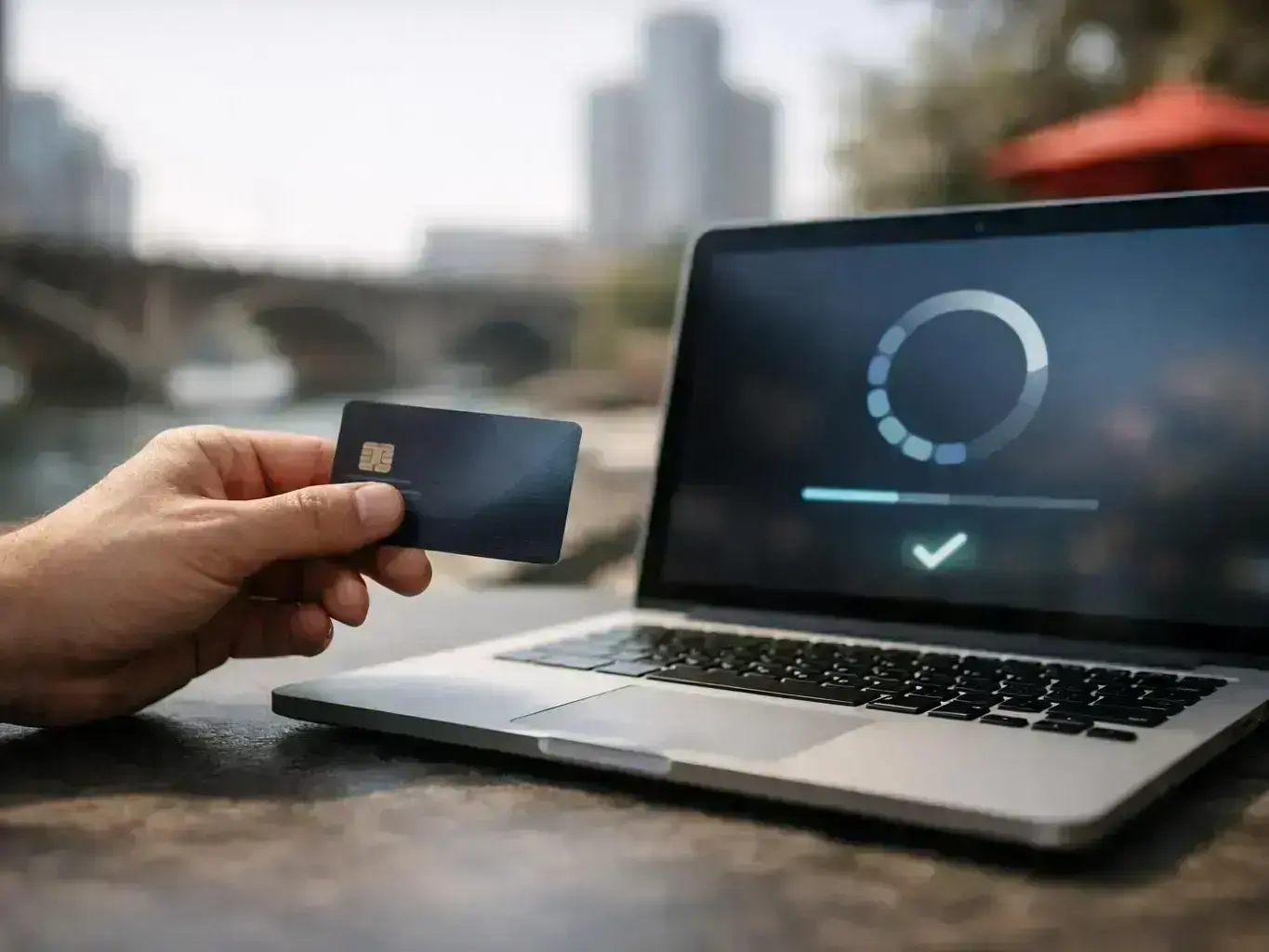
A Virtual Terminal is a browser-based interface that replaces the need for a physical credit card terminal when processing payments. Unlike traditional point-of-sale (POS) systems that rely on card readers or EMV chips, a Virtual Terminal allows merchants to manually input payment details—such as card number, expiration date. And CVV—into a secure online portal. This method is particularly useful for businesses that receive orders over the phone, through mail. Or via email, where the cardholder is not physically present to swipe or insert their card.
Virtual Terminals are typically provided by payment processors or merchant service providers as part of a broader suite of payment tools. They're accessed through a web browser, eliminating the need for additional hardware or software installations. Because the transaction occurs in a card-not-present environment, merchants may face slightly higher processing fees compared to card-present transactions, reflecting the increased risk of fraud. But the flexibility and convenience of Virtual Terminals make them a valuable tool for businesses that operate remotely or handle delayed orders.
How Virtual Terminal Works?
Using a Virtual Terminal involves a straightforward workflow that begins when a merchant receives payment details from a customer. The merchant logs into the Virtual Terminal portal, typically hosted by their payment processor. And manually enters the customer’s credit card information, transaction amount. And any additional details—such as billing address or invoice number, into a secure form. The portal then encrypts and transmits this data to the payment processor, which routes it through the card networks (e.g., Visa, Mastercard) to the customer’s issuing bank for authorization.
Once the issuing bank approves or declines the transaction, the response is sent back through the same channels to the Virtual Terminal, where the merchant sees the result in real time. If approved, the transaction is added to the merchant’s batch for settlement, which typically occurs at the end of the business day. The funds are then deposited into the merchant’s bank account, usually within one to two business days. Some Virtual Terminals also offer additional features, such as the ability to save customer profiles for recurring payments, generate receipts. Or issue refunds directly from the portal.
Security is a critical component of Virtual Terminals, as they handle sensitive payment data. Reputable providers ensure compliance with the Payment Card Industry Data Security Standard (PCI DSS), which mandates encryption, secure access controls. And regular security audits. Merchants using Virtual Terminals must also follow best practices, such as avoiding the storage of card details outside the secure portal and using multi-factor authentication to access the system.
Why Virtual Terminal Matters?
Virtual Terminals play a crucial role in enabling businesses to accept payments in situations where traditional card readers are impractical or unavailable. For merchants who operate remotely, such as online retailers, service providers. Or businesses taking orders over the phone - a Virtual Terminal provides a reliable way to process transactions without requiring in-person interactions. This flexibility can expand a business’s customer base, allowing them to serve clients who prefer to pay by phone, mail. Or email. Or who may not have access to digital payment methods like e-commerce checkouts.
For local customers, Beyond convenience, Virtual Terminals also help businesses manage cash flow by ensuring timely payment processing. Unlike invoicing, which can lead to delays while waiting for checks or bank transfers, Virtual Terminals allow merchants to process payments immediately, reducing the risk of late or missed payments. And the ability to generate digital receipts and track transactions within the portal simplifies record-keeping and reconciliation, making it easier for businesses to monitor sales and identify trends.
When Virtual Terminal Matters Most?
Virtual Terminals are particularly valuable in scenarios where face-to-face transactions are not feasible or efficient. For example, businesses that operate in industries like telecommunications, professional services. Or mail-order catalogs often rely on Virtual Terminals to process payments for customers who call in orders or submit payment details via email. Similarly, non-profit organizations or event planners may use Virtual Terminals to accept donations or ticket payments over the phone, especially when dealing with donors or attendees who prefer not to use online forms.
Another critical use case is for businesses that handle recurring payments, such as subscription services or membership-based organizations. Many Virtual Terminals allow merchants to save customer payment details securely, enabling automatic billing for future transactions without requiring the customer to re-enter their card information. This feature reduces friction for both the merchant and the customer, improving retention and ensuring consistent revenue streams. And Virtual Terminals are useful for businesses that experience seasonal fluctuations in-person sales, such as holiday markets or pop-up shops, where investing in physical POS hardware may not be cost-effective.
Finally, Virtual Terminals are an essential tool for businesses that need to process refunds or void transactions quickly. Since the portal provides direct access to transaction histories and payment details, merchants can issue refunds or cancel pending transactions without relying on third-party support, saving time and reducing administrative overhead.