Understanding Address Verification Service
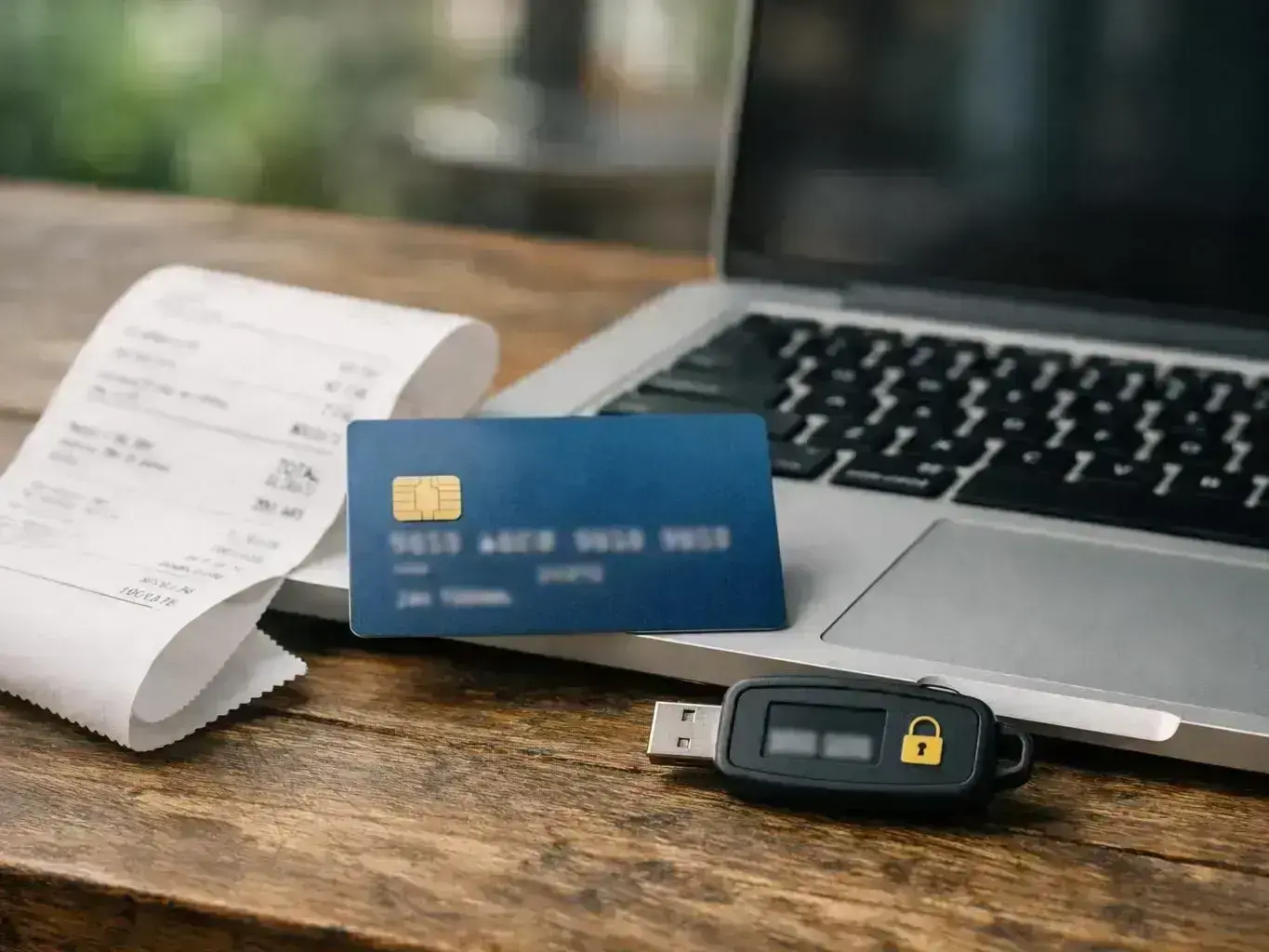
Address Verification Service (AVS) is a security feature integrated into credit card processing systems to help merchants reduce fraud and chargebacks. When a customer makes a purchase, especially online or over the phone, the merchant collects the billing address associated with the credit card. AVS sends this address information to the card-issuing bank, which checks it against the address on file for that card. The bank then returns a response code indicating how closely the provided address matches its records.
Related glossary terms: Card Not Present Transaction, CVV, Payment Processor.
AVS is particularly important for card-not-present (CNP) transactions, where the merchant can't physically inspect the card or verify the cardholder’s identity. In these scenarios, fraudsters may use stolen card details to make purchases. And AVS acts as an early warning system. But AVS doesn't verify the cardholder’s name, the card’s security code (CVV). Or whether the card itself is valid—it focuses solely on the numeric portions of the billing address, such as the street number and ZIP code.
How Address Verification Service Works?
When a transaction is initiated, the merchant’s payment processor sends the billing address provided by the customer to the card-issuing bank via the payment network. The bank compares the numeric elements of the address—typically the street number and ZIP code—with the address it has on file for the cardholder. The bank then returns one of several AVS response codes, which indicate the level of match. Common codes include:
- Full match: Both the street number and ZIP code match the bank’s records.
- Partial match: Either the street number or ZIP code matches, but not both.
- No match: Neither the street number nor ZIP code matches the bank’s records.
- Unavailable: The bank could not perform the AVS check, often due to international transactions or unsupported address formats.
Merchants can use these response codes to decide whether to proceed with the transaction, request additional verification. Or decline the purchase. For example, a merchant might accept a transaction with a full match but flag a transaction with no match for manual review. AVS is not foolproof - fraudsters may have access to a cardholder’s billing address - but it adds a critical layer of security to the authorization process.
Why Address Verification Service Matters?
AVS plays a key role in reducing fraud and chargebacks, which can be costly for merchants. Chargebacks occur when a cardholder disputes a transaction, often due to fraud or unauthorized use. And the merchant is liable for the lost funds. By verifying the billing address, AVS helps merchants identify potentially fraudulent transactions before they're completed, reducing the likelihood of chargebacks. This is especially important for businesses that operate online or accept orders by phone, where the risk of fraud is higher.
In addition to fraud prevention, AVS can also improve transaction approval rates. Some banks may decline transactions if the AVS check fails, particularly for high-risk merchants or industries. By ensuring that the billing address matches the bank’s records, merchants can increase the chances of a successful authorization. But AVS is just one tool in a broader fraud prevention strategy, it should be used alongside other security measures, such as CVV verification and fraud detection algorithms, to provide full protection.
When Address Verification Service Matters Most?
AVS is most critical for merchants who process card-not-present transactions, such as online retailers, subscription services. Or businesses that take orders over the phone. In these scenarios, the merchant cannot verify the physical card or the cardholder’s identity, making AVS one of the few available tools to assess transaction risk. High-risk industries, such as electronics, luxury goods. Or digital services, often rely on AVS to mitigate fraud, as these sectors are frequent targets for fraudulent activity.
AVS is also important for merchants who want to reduce chargeback rates. Chargebacks can result in financial losses, penalties. And even the termination of a merchant account. By using AVS to screen transactions, merchants can lower their exposure to fraudulent chargebacks. And some payment processors may require AVS for certain types of transactions, particularly for merchants with a history of high chargeback rates. While AVS is not mandatory for all transactions, it's a best practice for businesses that want to cut down on fraud risk and improve transaction security.