Understanding EMV

EMV refers to the technical specifications that govern how chip-enabled payment cards interact with payment terminals. The name comes from the three founding card networks—Europay, Mastercard. And Visa—that jointly developed the standard in the mid-1990s. Unlike traditional magnetic stripe cards, which store static data that can be easily copied and reused, EMV cards contain a microprocessor chip that dynamically generates a unique cryptogram for each transaction. This cryptogram acts as a one-time password, making it nearly impossible for fraudsters to replicate card details for future purchases.
Related glossary terms: EMV Chip, Near Field Communication, PCI Compliance.
While EMV adoption began in Europe and Asia, the United States migrated to the standard in 2015 following a liability shift. This shift made merchants responsible for counterfeit fraud losses if they processed a chip card using only a magnetic stripe reader. Since then, nearly all newly issued credit and debit cards in the U.S. Include an EMV chip. And most payment terminals support chip-based transactions. The standard has since expanded to include contactless payments, enabling tap-to-pay functionality through near-field communication (NFC) technology.
How EMV Works?
When a customer inserts an EMV card into a payment terminal, the chip and terminal initiate a secure conversation known as "card authentication." The terminal requests specific data from the chip, which responds with a unique transaction code generated using encryption keys stored securely on the chip. This code, along with transaction details like the amount and merchant ID, is sent to the card issuer for verification. The issuer confirms the code’s validity and approves or declines the transaction, all within seconds.
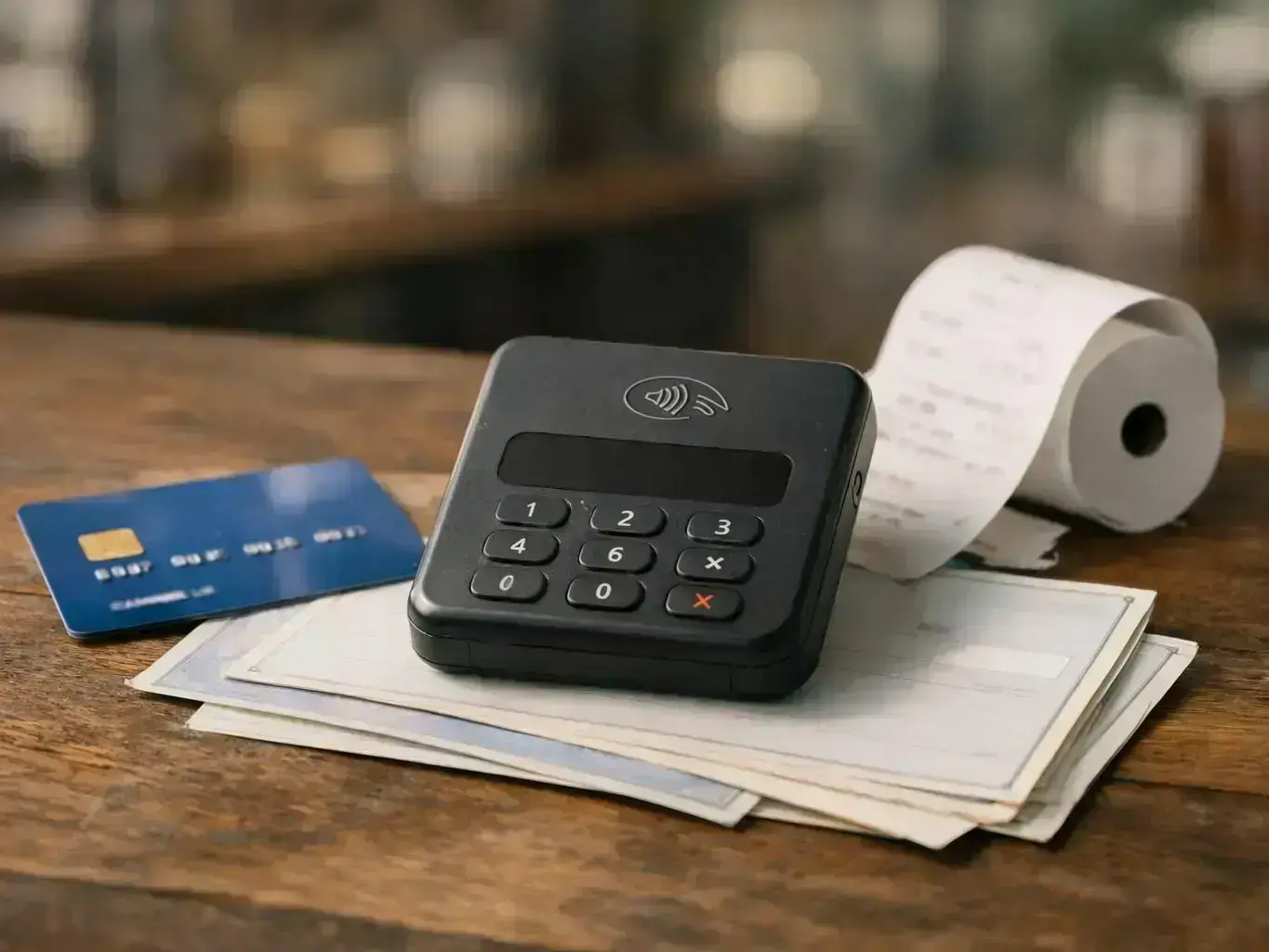
Many projects start with EMV transactions can occur in two primary modes: chip-and-signature and chip-and-PIN. In chip-and-signature transactions, the customer signs a receipt to verify their identity. Though this method is becoming less common. Chip-and-PIN transactions require the customer to enter a personal identification number (PIN), adding an extra layer of security. Contactless EMV transactions, such as those made with mobile wallets or tap-enabled cards, use a similar process but rely on radio frequency (RFID) technology instead of physical card insertion.
- Contact EMV: Requires physical insertion of the card into a terminal.
- Contactless EMV: Uses NFC for tap-to-pay transactions.
- Mobile EMV: Stores card data in digital wallets like Apple Pay or Google Pay.
Why EMV Matters?
EMV technology significantly reduces counterfeit card fraud, which accounted for billions of dollars in annual losses before its adoption. According to data from Visa, merchants in the U.S. That completed the chip upgrade saw a 76% reduction in counterfeit fraud dollars from September 2015 to December 2018. This decline is attributed to the dynamic authentication process, which renders stolen card data useless for in-person transactions. For merchants, EMV compliance also shifts liability for fraudulent transactions away from their business, provided they use a certified EMV-enabled terminal.
Beyond security, EMV adoption has improved customer trust in card payments. Consumers increasingly expect secure, smooth payment experiences. And EMV delivers on both fronts. The standard also enables faster checkout times with contactless payments, which have surged in popularity, particularly in high-traffic environments like retail stores, restaurants. And public transit systems. While EMV doesn't address online fraud, it complements other security measures like tokenization and two-factor authentication to create a more strong payment ecosystem.
When EMV Matters Most?
EMV compliance is critical for any business that accepts in-person card payments, particularly those in high-risk industries like retail, hospitality. And fuel stations. Merchants who fail to upgrade to EMV-enabled terminals remain liable for counterfeit fraud losses, which can be financially devastating for small businesses. And non-compliant merchants may face higher chargeback rates, as card issuers prioritize fraud disputes involving non-EMV transactions. Even businesses that primarily operate online should consider EMV for their occasional in-person sales, such as at pop-up events or trade shows.
EMV also plays a key role in global commerce. Businesses that accept international cards, such as those issued in Europe or Canada, must support EMV to avoid transaction declines. Many foreign cards are chip-only, meaning they lack a magnetic stripe altogether. Without EMV capability, merchants risk losing sales from international customers. That is the practical point. Also, contactless EMV adoption is accelerating, driven by consumer demand for faster, touch-free payments. Businesses that lag in upgrading their terminals may find themselves at a competitive disadvantage, particularly in urban areas like San Diego, where tap-to-pay is becoming the norm.