Understanding EMV Chip
EMV Chip refers to the small, metallic square found on modern credit and debit cards. Unlike traditional magnetic stripes that store static data, EMV Chips contain a microprocessor that generates a unique, one-time code for each transaction. This dynamic authentication process makes it nearly impossible for criminals to create counterfeit cards, as the code can't be reused. The term "EMV" stands for Europay, Mastercard. And Visa—the three companies that originally developed the standard, which is now managed by EMVCo, a global consortium of payment networks.
Related glossary terms: EMV, Near Field Communication, Card Present Transaction.
EMV Chips were introduced to combat rising card-present fraud, particularly in regions where magnetic-stripe technology remained dominant. In the United States, the shift to EMV gained momentum after the 2015 liability shift, which transferred responsibility for fraudulent transactions from card issuers to merchants who had not upgraded to EMV-compatible terminals. Today, EMV Chips are the global standard for secure in-person payments, supported by nearly all payment networks, including Visa, Mastercard, American Express. And find.
How EMV Chip Works?
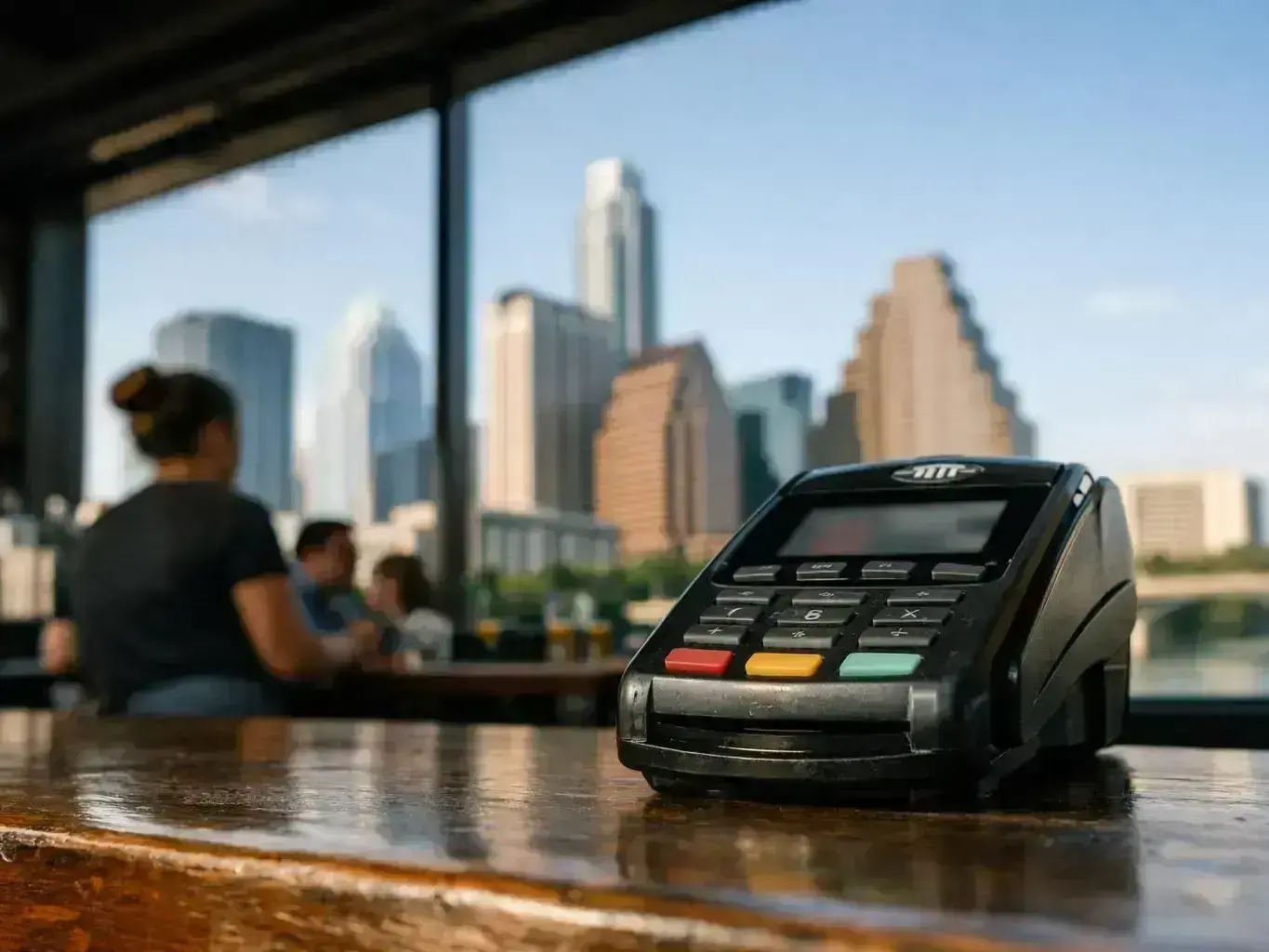
When a customer inserts an EMV-enabled card into a payment terminal, the chip and terminal initiate a secure communication process known as "chip-and-PIN" or "chip-and-signature." The terminal requests a unique transaction code from the chip, which generates it using cryptographic algorithms. This code, along with other transaction details, is sent to the card issuer for verification. If approved, the transaction completes. And the code becomes invalid for future use.
The process differs slightly depending on the verification method. In chip-and-PIN transactions, the customer enters a personal identification number (PIN) to authenticate the purchase, adding an extra layer of security. In chip-and-signature transactions, the customer signs for the purchase. Though this method is less secure and being phased out in many regions. Regardless of the verification method, the dynamic code generated by the EMV Chip ensures that even if transaction data is intercepted, it cannot be reused for fraudulent purchases.
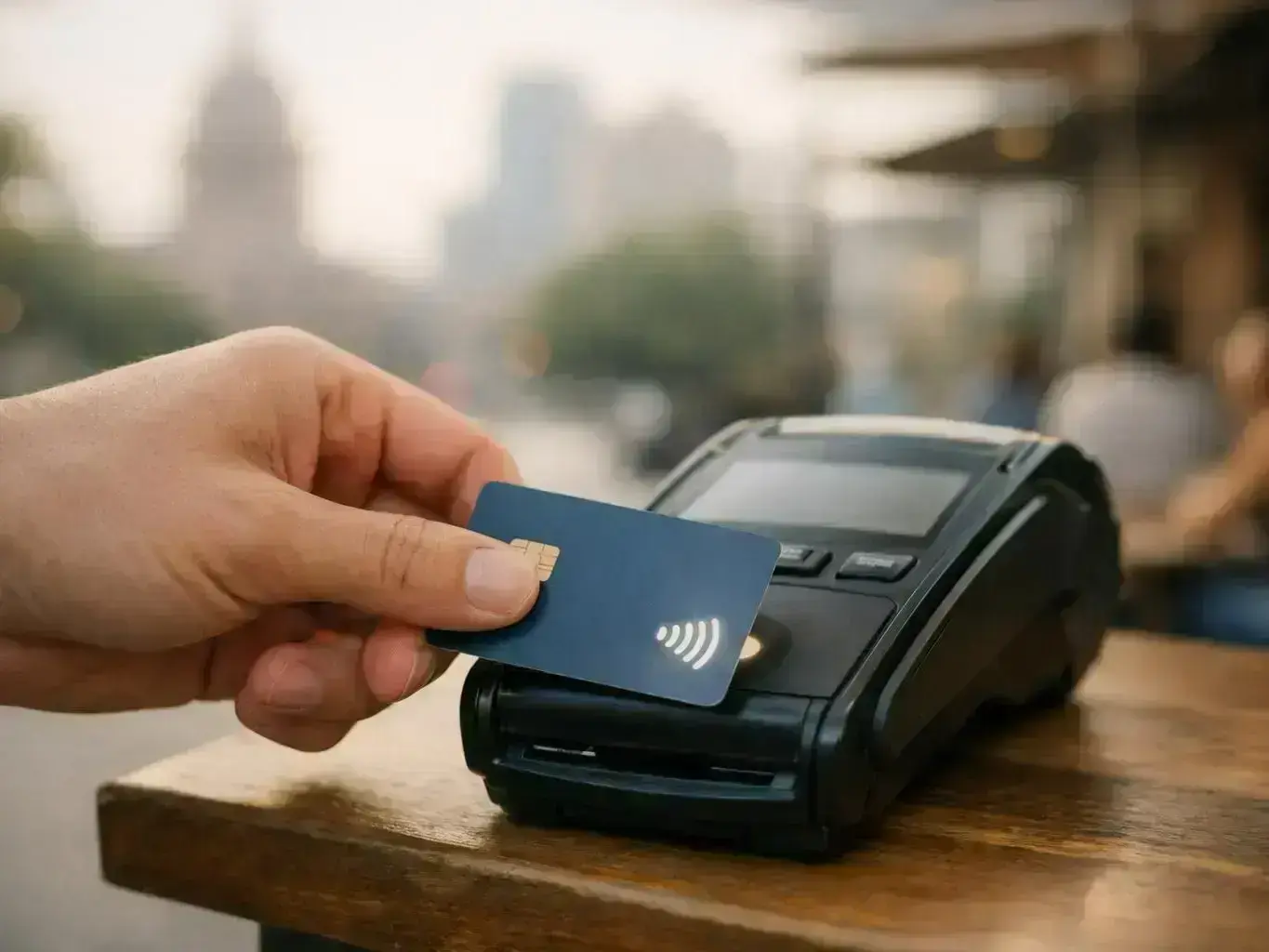
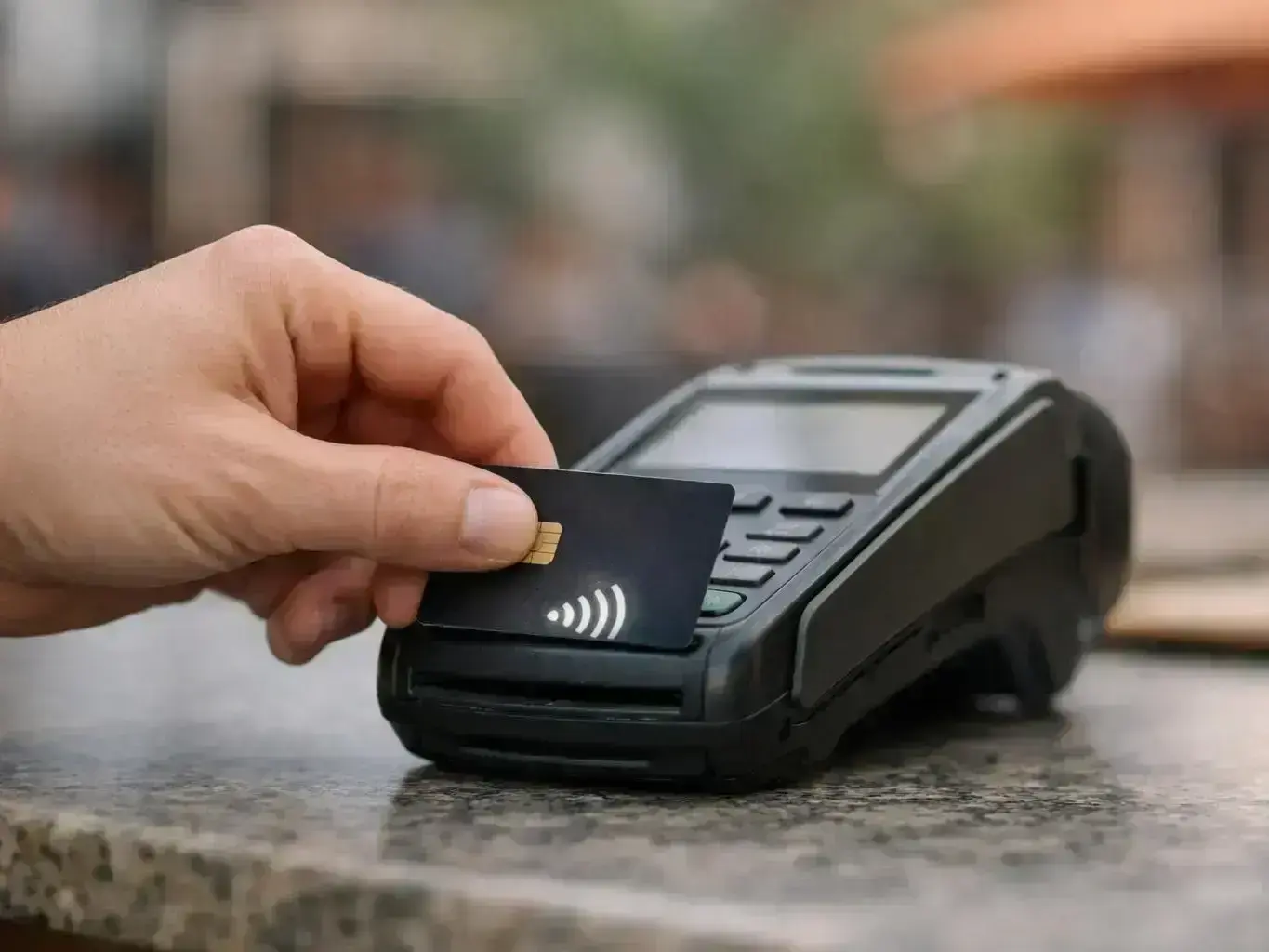
EMV Chips also support contactless payments through Near Field Communication (NFC) technology. When a customer taps an EMV-enabled card or mobile wallet near a contactless terminal, the chip generates a dynamic code for the transaction, just as it would for a chip insertion. This method is faster and equally secure, making it popular for low-value transactions.
Why EMV Chip Matters?
EMV Chips play a critical role in reducing payment card fraud, which costs businesses and consumers billions of dollars annually. Before EMV adoption, counterfeit card fraud was rampant, as criminals could easily copy static magnetic-stripe data and create fake cards. EMV Chips eliminate this vulnerability by ensuring each transaction uses a unique code, making stolen data useless for in-person purchases. This shift has led to a significant decline in card-present fraud in countries where EMV adoption is widespread, such as the United Kingdom, Canada. And Australia.
For merchants, EMV compliance is not just about security—it also affects liability. In the U.S., merchants who have not upgraded to EMV-compatible terminals may be held financially responsible for fraudulent transactions. This liability shift, implemented by payment networks in 2015, incentivized businesses to adopt EMV technology. And EMV compliance can reduce chargebacks, lower payment processing costs. And build customer trust, as chip-enabled transactions are widely recognized as more secure.
When EMV Chip Matters Most?
EMV Chips are most important in environments where card-present transactions occur, such as retail stores, restaurants. And gas stations. Businesses that handle high volumes of in-person payments, particularly those selling high-value goods, face the greatest risk of fraud and therefore benefit the most from EMV adoption. For example, electronics retailers, jewelry stores. And luxury boutiques are frequent targets for counterfeit card fraud, making EMV compliance a critical risk-management tool.
EMV Chips also matter in industries where liability shifts have significant financial implications. Gas stations, for instance, were granted an extended deadline for EMV compliance at the pump due to the complexity of upgrading fuel dispensers. But as of 2021, merchants who have not upgraded may be liable for fraudulent transactions, making EMV adoption a pressing concern. Similarly, businesses in regions with high fraud rates, such as tourist-heavy areas, should prioritize EMV compliance to mitigate risk.
A common issue is While EMV Chips don't protect against online or card-not-present fraud, they're a foundational component of a broader fraud-prevention strategy. Businesses that accept both in-person and online payments should combine EMV technology with tools like tokenization, Address Verification Service (AVS). And CVV verification to create a layered security approach.