Understanding Card Present Transaction
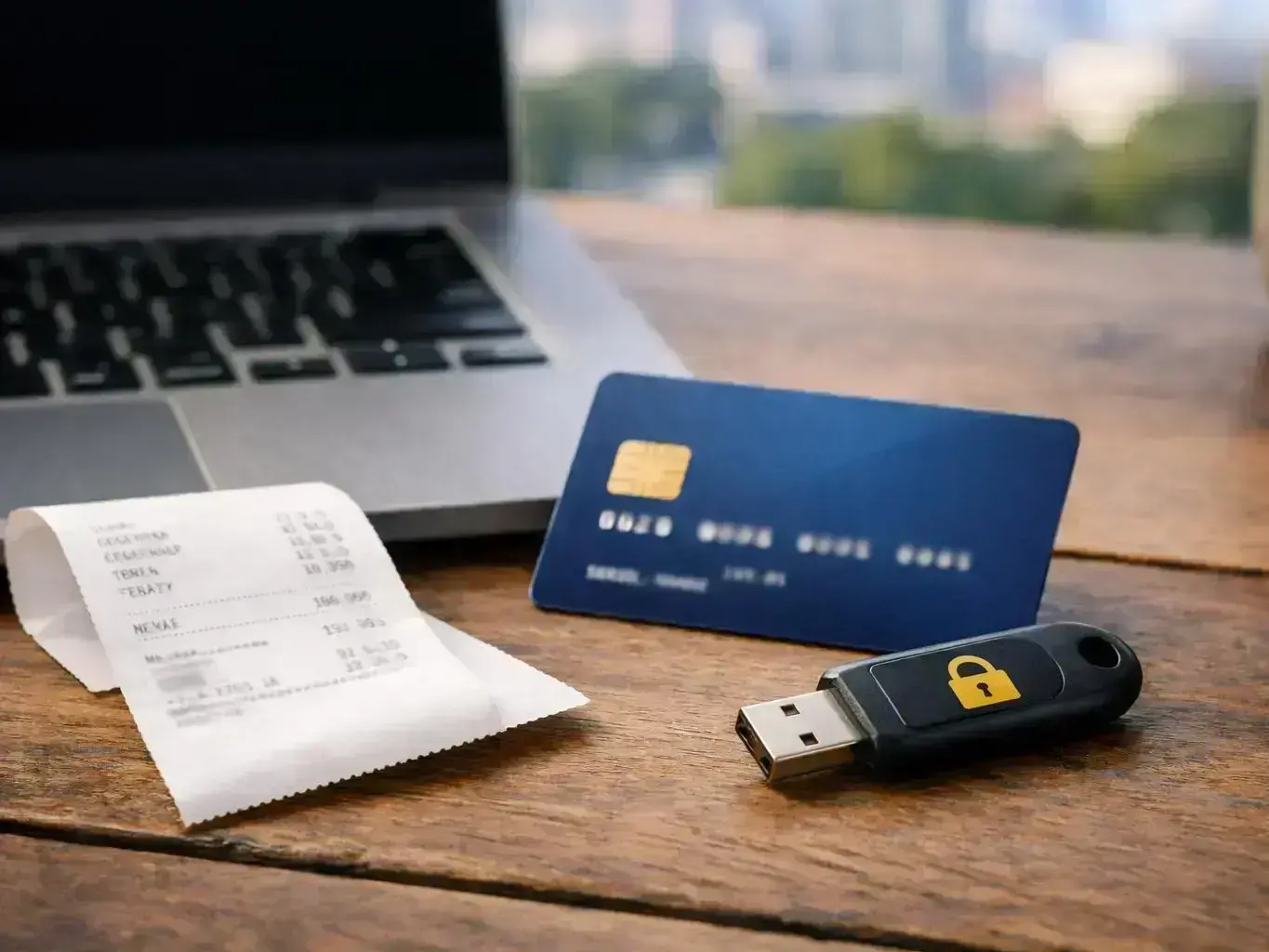
A Card Present Transaction occurs when a customer physically presents their credit or debit card to a merchant at the point of sale. The card is read by a payment terminal, which captures the card’s data through a magnetic stripe, EMV chip. Or contactless NFC signal. This method is standard in brick-and-mortar stores, cafes, gas stations. And other locations where customers pay in person. Because the card is physically present, merchants can verify its authenticity and reduce the risk of fraudulent transactions.
Related glossary terms: EMV, Card Not Present Transaction, Point of Sale.
Card Present Transactions are distinct from online or phone payments, where the card is not physically present. The presence of the card allows merchants to use additional security features, such as PIN entry or signature verification, which further protect against unauthorized use. This method also typically results in lower interchange fees for merchants, as card networks consider these transactions less risky than card-not-present transactions.
How Card Present Transaction Works?
The process begins when a customer presents their card to the merchant. The merchant then inserts, swipes. Or taps the card on a payment terminal. The terminal reads the card’s data—either from the magnetic stripe, EMV chip. Or NFC chip—and sends it to the payment processor for authorization. The processor forwards the request to the card network (e.g., Visa, Mastercard. Or American Express), which routes it to the card issuer for approval. If approved, the transaction is completed. And a receipt is generated for the customer.
During this process, the terminal may prompt the customer to enter a PIN or provide a signature, depending on the card type and transaction amount. EMV chip transactions generate a unique code for each transaction, making it difficult for fraudsters to replicate the card’s data. Contactless transactions, which use NFC technology, allow customers to tap their card or mobile device near the terminal, speeding up the payment process while maintaining security.
Why Card Present Transaction Matters?
Card Present Transactions are a cornerstone of in-person commerce because they offer security, speed. And cost efficiency. For merchants, these transactions reduce the risk of fraud and chargebacks, which are more common in card-not-present environments like e-commerce. Lower fraud risk translates to lower interchange fees, which can significantly impact a merchant’s bottom line, especially for high-volume businesses.
For customers, Card Present Transactions provide a smooth and secure payment experience. The use of EMV chips and NFC technology ensures that their card data is protected, reducing the likelihood of unauthorized transactions. And the ability to receive an immediate receipt or confirmation of payment enhances customer trust and satisfaction, which is critical for repeat business.
When Card Present Transaction Matters Most?
Card Present Transactions are most critical for businesses that operate primarily in physical locations, such as retail stores, restaurants, salons. And service providers. These businesses rely on fast, secure. And efficient payment processing to serve customers quickly and cut down on disruptions at the point of sale. For example, a busy coffee shop or grocery store can't afford delays caused by manual entry or fraudulent transactions, making Card Present Transactions essential for smooth operations.
For local customers, These transactions also matter in industries where regulatory compliance is a concern. For instance, businesses that handle high-value transactions, such as jewelry stores or electronics retailers, must ensure that their payment methods meet security standards like PCI DSS. Card Present Transactions, especially those using EMV chips, help merchants comply with these standards and avoid penalties or liability for fraudulent transactions. And businesses in high-risk industries, such as cannabis or alcohol sales, benefit from the added security of Card Present Transactions to mitigate fraud and chargeback risks.