Glossary

What is Point of Sale?

Point of Sale is point of Sale (POS) is the physical or virtual location where a retail transaction is completed, including the exchange of payment for goods or services. It encompasses the hardware, software. And processes used to capture payment details, authorize transactions. And generate receipts, typically involving credit or debit cards, cash. Or digital wallets.

Sources reviewed: PCI Security Standards Council, U.S. Small Business Administration

Quick Facts About Point of Sale

Category

Payment processing technology

Used for

Completing retail transactions and managing sales

Common confusion

Often mistaken for just a credit card reader, not the entire system

Also called

POS, POS System

Often discussed with

Credit Card Payment Processing, Point of Sale System

Key Takeaways About Point of Sale

Understanding Point of Sale
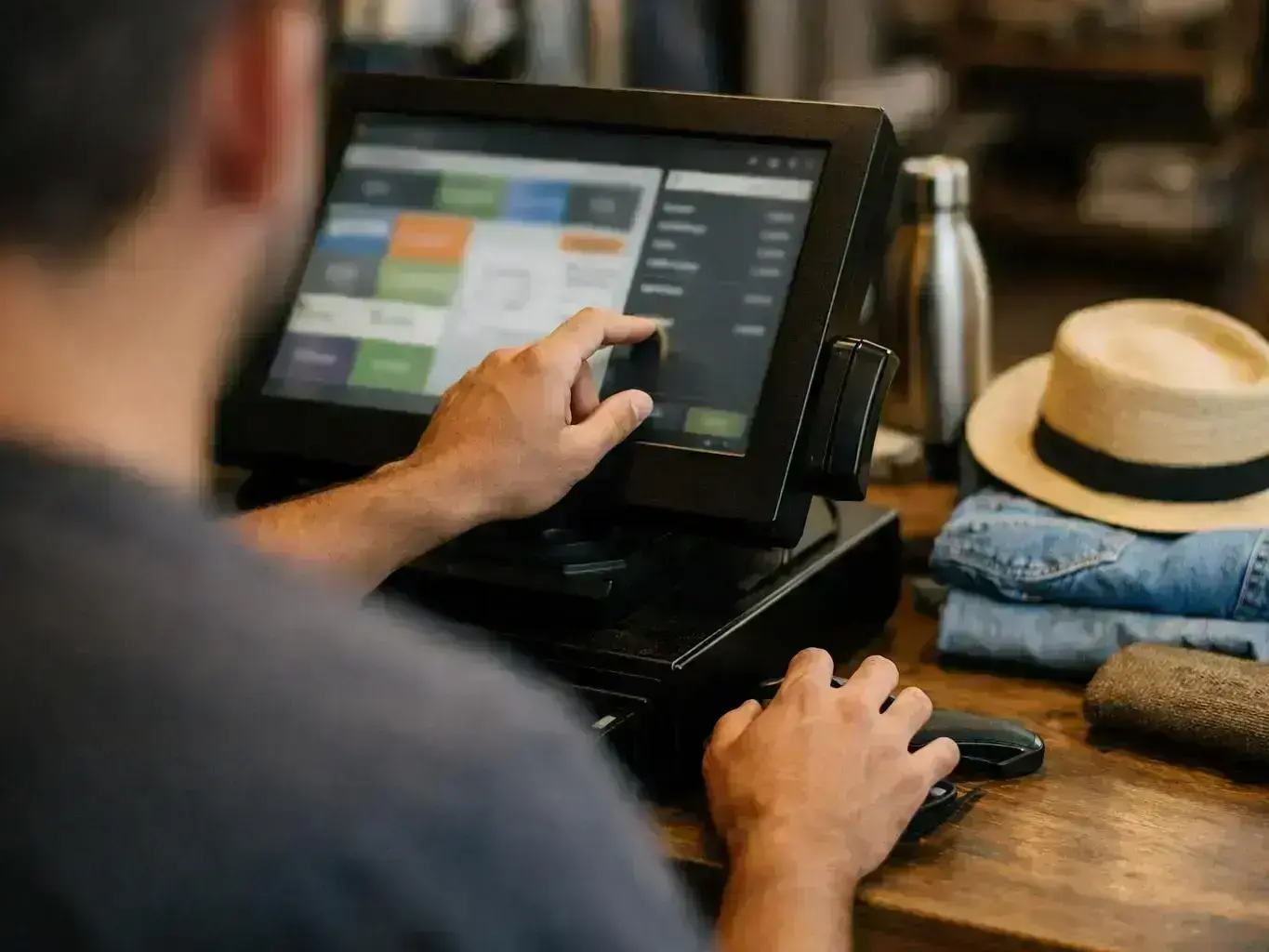
Point of Sale in Credit Card Processing—San Diego

A Point of Sale (POS) system combines hardware and software. It lets businesses accept payments for goods or services. The term once meant the physical spot where transactions happened, like a cash register.

Related glossary terms: Credit Card Reader, EMV, Payment Processor.

Modern POS systems are full platforms. They manage sales, inventory, customer data. And reporting. These systems work in retail, hospitality, healthcare. And professional services. They simplify operations and boost efficiency.

POS systems can be customized for any business. They work for stores, online shops. Or both. A restaurant POS might include table management and order splitting. A retail POS could sync with e-commerce to track inventory across channels.

This flexibility helps businesses scale. They can adapt to customer needs and keep accurate records for accounting. It also ensures compliance with industry rules.

How Point of Sale Works?

When a customer buys something, the POS system starts processing the transaction. It captures payment details through a card reader or mobile wallet. For card payments, the system sends data to the payment processor.

The processor routes it through networks like Visa or Mastercard. The customer’s bank then approves or declines the transaction. It checks funds, card validity. And fraud risks.

Once approved, the POS system prints a receipt. It also records the sale in inventory and accounting systems. POS systems do more than process payments.

They track inventory in real time. Staff get alerts when stock is low or needs reordering. Many systems also work with CRM tools to store purchase histories.

This lets businesses personalize marketing or loyalty programs. POS systems also offer reporting features. They show sales trends, peak times. And employee performance. This helps businesses make smart decisions.

  • Payment Capture: Accepts credit/debit cards, cash, or digital payments.
  • Authorization: Verifies funds and approves or declines transactions.
  • Inventory Management: Tracks stock levels and updates records in real time.
  • Reporting: Generates sales reports, tax summaries, and performance analytics.

Why Point of Sale Matters?

A well-designed POS system is key for businesses of all sizes. It affects efficiency, customer satisfaction. And revenue growth. POS systems automate transactions, reducing human error.

They speed up checkout and lower fraud risks. EMV chip readers and contactless payments add security. They also make paying faster and easier for customers.

This improves the experience and helps businesses meet PCI DSS standards. These rules govern secure payment data handling. Beyond transactions, POS systems help shape business strategy.

The data they collect shows customer behavior patterns. Businesses can see popular products, peak hours. Or seasonal trends. They can use this to adjust staffing, pricing. Or promotions.

POS systems that sync with accounting or e-commerce save time. They cut manual data entry and reduce errors. For small businesses, this automation can be a game-changer.

When Point of Sale Matters Most?

POS systems matter most in high-volume settings. Speed, accuracy. And security are critical there. Retail stores during holidays or restaurants at peak times rely on them.

Event venues handling crowds need fast, efficient transactions. A slow POS system can cause long lines and lost sales. Businesses with multiple locations or online stores need real-time data sync.

This prevents stockouts, overselling. Or financial errors. POS systems also help with regulations and standards. Businesses accepting cards must follow PCI DSS rules.

A POS with encryption and fraud tools meets these requirements. It avoids fines and damage to reputation. Businesses handling refunds or loyalty rewards need accurate tracking too.

This builds customer trust. Whether scaling up or improving daily operations, a reliable POS is essential.


How to Evaluate Point of Sale?

Related Concepts Compared

Point of Sale vs. Payment Processor

A payment processor handles the authorization and settlement of transactions. While a POS system manages the entire sales process, including inventory and reporting.

Point of Sale vs. Virtual Terminal

A virtual terminal is a software-based POS solution for processing card-not-present transactions, whereas a traditional POS system is used for in-person sales.

Point of Sale vs. Payment Gateway

A payment gateway securely transmits transaction data between a POS system and the payment processor. But it does not include hardware or inventory management features.

Expert Note

Modern POS systems are no longer just transaction tools—they are central hubs for business intelligence. Look for systems that offer customizable reporting and integrations with other platforms to maximize their value beyond payment processing.

Common Mistakes or Myths About Point of Sale

  • Assuming a POS system is only a credit card reader, ignoring its inventory and reporting capabilities.
  • Choosing a system without verifying compatibility with existing hardware or software.
  • Overlooking security features, leading to potential data breaches or compliance violations.
  • Ignoring scalability, resulting in the need for a costly system upgrade as the business grows.
  • Failing to train staff on all features, limiting the system’s effectiveness.

Point of Sale in Practice: A Real-World Example

A San Diego coffee shop uses a tablet-based POS system with integrated card readers and a loyalty program. When a customer taps their phone to pay, the system processes the transaction, updates inventory. And records the purchase for future rewards. The shop owner reviews daily sales reports to adjust staffing and menu offerings.

Sources & Further Reading on Point of Sale

Related Services

Related Terms

Credit Card Reader

Credit Card Reader is credit Card Readers are electronic devices that capture and transmit payment card data to authorize and process transactions. They read magnetic stripes, EMV chips. Or contactless signals from credit and debit cards, converting the data into encrypted digital signals for secure transmission to payment processors, acquirers.

EMV

EMV is a global payment technology standard developed by Europay, Mastercard. And Visa to enhance the security of chip-based credit and debit card transactions. EMV enables dynamic authentication of card data, reducing fraud by generating unique transaction codes for each purchase, unlike static magnetic stripe cards that reuse the same information.

Payment Processor

Payment Processor is a financial technology company or service that acts as an intermediary between merchants, card networks. And banks to authorize, clear. And settle credit and debit card transactions. Payment Processors handle the technical and financial workflows required to transfer funds from a customer’s issuing bank to a merchant’s acquiring bank, ensuring transactions are secure, compliant. And completed in real time or near real time.

Batch Processing

Batch Processing is a method in credit card transactions where multiple transactions are grouped and processed together at a scheduled time, rather than individually in real-time. Batch Processing typically occurs at the end of a business day to streamline settlement, reduce processing costs. And ensure accurate reconciliation between merchants, payment processors. And card networks.

PCI Compliance

PCI Compliance is adherence to the Payment Card Industry Data Security Standard (PCI DSS), a set of security requirements designed to protect cardholder data during credit and debit card transactions. PCI Compliance applies to any organization that accepts, processes, stores. Or transmits payment card information, ensuring consistent security measures to prevent data breaches and fraud.

CreditCardProcessing-SanDiego.com

Have Questions About Point of Sale?

Contact CreditCardProcessing-SanDiego.com for practical guidance on Point of Sale and related credit card processing work in San Diego.

Contact Us